A Verified profile indicates that Ethiopian Profiles has confirmed:
- •Professional identity
- •Career history
- •Public contributions
- •Professional credibility
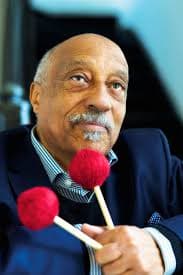
Mulatu Astatke
Musician | Composer | Vibraphonist | Ethio-Jazz Pioneer | Cultural Ambassador
Quick Insights
Founder of a globally recognized African jazz genre
Over 50 years of musical contribution
International revival of Ethiopian classical modern music through global archives
Major influence on African jazz scholarship
Music featured in international cinema and cultural preservation projects
Recognized cultural ambassador of Ethiopian music
Mulatu Astatke was born in 1943 in Jimma, Ethiopia. He showed early interest in music and was sent abroad for education at a young age, which exposed him to Western musical traditions while he maintained a strong connection to Ethiopian musical heritage.
This dual exposure became the foundation for his later innovation—fusing Ethiopian pentatonic scales with Western jazz structure.
Selected Career Milestones
Founder of the Ethio-jazz genre
Recorded some of the earliest Ethio-jazz albums in the late 1960s and early 1970s
Leader of the Ethiopian Police Orchestra’s modern music experimentation period
Featured prominently in the globally influential Éthiopiques music collection
International resurgence following inclusion of his music in the film Broken Flowers
Global tours across Europe, North America, and Africa
Collaborations with international jazz musicians and Ethiopian orchestras
Professional Affiliations , Membership & Additional Contributions
Ethiopian national music development initiatives
International jazz networks
Cultural preservation programs
Music education advocacy initiatives
Participation in global jazz festivals
Professional Overview
Mulatu Astatke is internationally recognized as the father of Ethio-jazz, the unique musical genre that blends traditional Ethiopian musical scales with jazz, Latin rhythms, and funk. Through his pioneering work beginning in the 1960s, he created one of the few original African jazz forms that gained global recognition and scholarly interest.
His work represents one of Ethiopia’s most successful cultural exports, influencing global musicians and contributing significantly to the international recognition of Ethiopian music traditions. Over decades, his compositions have been rediscovered by new generations through global music archives, film soundtracks, and contemporary jazz collaborations.
Areas of Expertise
Professional Services & Advisory
Beneficiaries & Engagement Focus
Education
Mulatu holds a rare distinction as one of the first African musicians formally trained in jazz abroad:
Studied music in London at the Trinity Laban Conservatoire of Music and Dance
Studied jazz and composition at Berklee College of Music in Boston (becoming its first African student)
Studied in New York during the golden era of jazz development
His academic training in Western jazz theory combined with Ethiopian traditional musical knowledge enabled his genre-defining innovation.
Selected Publications, Awards & Legacy Achievements
International recognition as the creator of Ethio-jazz
Lifetime recognition for cultural contribution from Ethiopian arts institutions
Honored by global music festivals and jazz institutions
Academic interest in his work within ethnomusicology (Ethnomusicology)
Credited with preserving Ethiopian musical modes through modern arrangements
Professional Journey & Contribution
Mulatu’s main contribution lies in intellectual musical innovation rather than commercial success alone. His work preserved Ethiopian musical identity during periods of modernization by creating a bridge between tradition and global contemporary sound.
His broader contributions include:
Preservation of Ethiopian musical scales through modern orchestration
Promotion of Ethiopian music globally
Mentorship of younger Ethiopian musicians
Establishment of music education initiatives
Contribution to Ethiopia’s cultural diplomacy through music
He also worked on creating music schools and jazz development initiatives to institutionalize music education in Ethiopia.
Platform Acknowledgment
Mulatu Astatke stands as one of Ethiopia’s most important cultural innovators—a musician whose intellectual creation of Ethio-jazz placed Ethiopian sound within global music history. His legacy is defined not only by performance but by the creation of an entirely new musical category rooted in Ethiopian identity.